Time is critical to limit damage
Contact us right away using a trusted phone number if you have provided account details, passwords, or sent funds due to a scam.
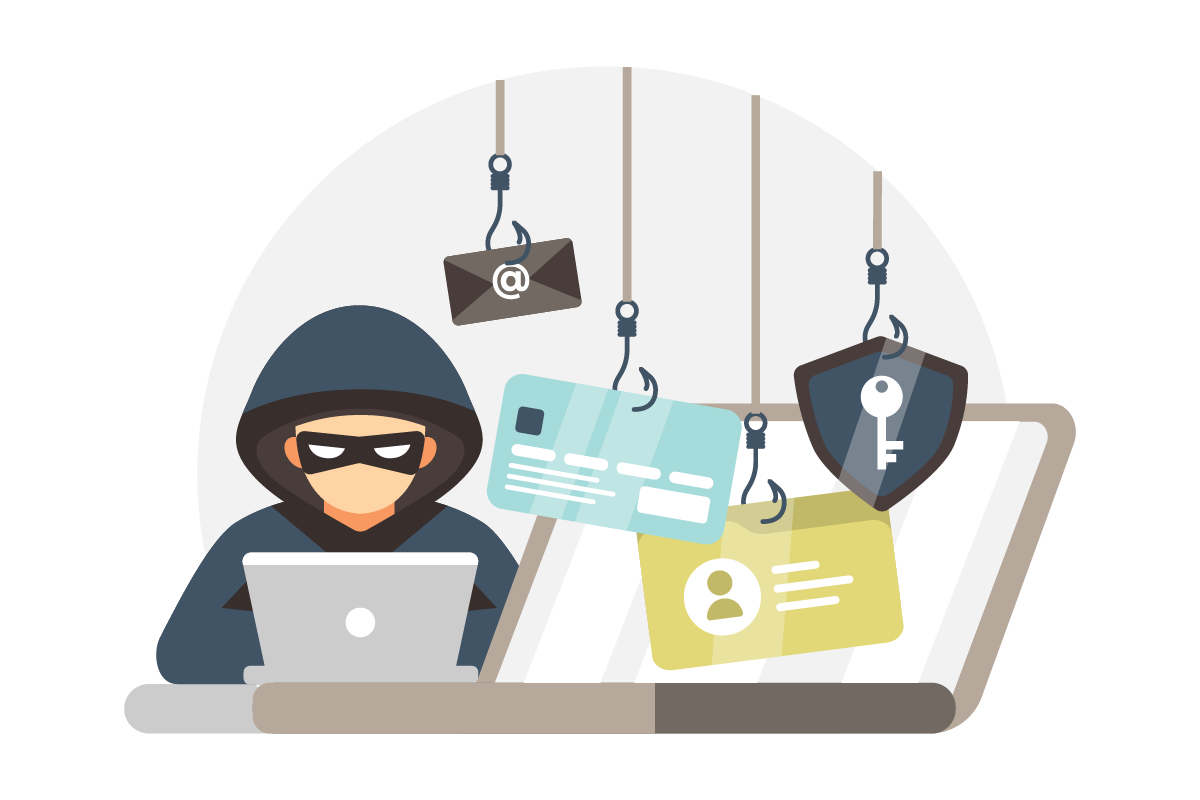
Fraud and scams pose a significant threat to people and businesses every day. Scammers constantly update their tactics, but most share urgent warning signs. Quickly recognizing how these scams work is critical to protecting yourself.
If anything about a message, call, or request seems even slightly unusual, immediately pause. Hasty responses can have serious consequences.
Contact us right away using a trusted phone number if you have provided account details, passwords, or sent funds due to a scam.
The examples below highlight common scams we continue to see. While details may change, these scenarios reflect tactics customers most often report.
Scammers pose as a bank, retailer, tech company, or government agency, claiming suspicious activity, refunds, or legal issues to pressure quick action.
Stay safe: Pause before responding and contact the organization directly using a trusted phone number or website.
Texts or emails claim a delivery problem, unpaid toll, invoice, or subscription renewal you did not initiate. Links lead to fake payment or login pages.
Stay safe: Do not click links. Verify directly through the company’s official website or app.
Unexpected login alerts, device codes, QR codes, or cloud storage warnings attempt to trick you into sharing access or credentials.
Stay safe: Only enter codes or credentials if you initiated the request.
You are instructed to urgently move money to “protect” your account or help someone in trouble. Once sent, funds are usually unrecoverable.
Stay safe: Never send money or gift cards based on pressure or secrecy.
You are asked to deposit a check and send funds elsewhere, or move money through your account for someone else. The check later proves fraudulent.
Stay safe: Do not deposit or transfer funds for others or accept overpayments.
Someone builds trust online, then requests money for emergencies, investments, or opportunities promising high returns.
Stay safe: Be cautious of financial requests from online relationships or guaranteed returns.
Fraudsters pose as bank representatives to obtain login credentials or sensitive account information.
Stay safe: Verify all requests through known Bank First contacts.
Emails or messages appear to come from leadership, requesting urgent payments or confidential information.
Stay safe: Confirm unusual requests using established internal procedures.
Criminals steal, alter, or counterfeit checks to withdraw unauthorized funds.
Stay safe: Monitor accounts closely and use available check protection tools such as Positive Pay.
Unsecured mail is stolen or altered to redirect payments.
Stay safe: Secure mail delivery and review outgoing and incoming checks promptly.
Business information is used to apply for credit or impersonate owners or employees.
Stay safe: Limit access to sensitive information and review credit activity regularly.
Funds are diverted through payroll changes or employees are asked to move money on behalf of others.
Stay safe: Verify payroll and payment changes and educate staff on warning signs.